The Third Man
The Third Man
Carol Reed · 1949 · Film
Before the Expedition
What did I already know about this film?
Nothing.
What were my expectations?
I didn’t have strong expectations. It looked like noir, and I tend to like noir, so I hoped it would at least be entertaining.
What was I hoping to discover?
A good story.
The Experience
What was my overall reaction when the film ended?
I liked it. It was a good story, and the suspense kept me interested.
What grabbed my attention immediately?
The soundtrack. It didn’t always feel like it matched the mood of what was happening on screen.
What surprised me?
I expected Harry Lime to turn out to be innocent somehow. Finding out that he actually wasn’t was unexpected and made the story more interesting.
What confused me?
Nothing major. The story unfolded clearly enough as it went.
Where did my attention wander?
Not much. The suspense kept the movie moving, and I didn’t feel like it dragged.
What moments stayed with me?
The story unfolding piece by piece—almost like peeling an onion.
Which characters or performances stood out?
The actors were convincing. The Ferris wheel scene especially stood out.
What visual choices caught my attention?
At the time, honestly, not much. I remember thinking the cinematography seemed pretty normal. I even wondered whether they actually filmed inside the real Ferris wheel.
What did I notice about the sound?
The zither score. I liked it most of the time, but there were moments when it distracted me or pulled me out of the scene.
Reflection
What do I think the filmmakers were trying to accomplish?
Primarily to tell a good story. At least on my first viewing, I didn’t come away feeling like the movie was trying to deliver one huge message.
What themes appeared repeatedly?
Trust, loyalty, justice, and the realization that someone you care about may not actually be a good person.
What worked particularly well?
The suspense. The story kept unfolding in layers, and I never felt like it became predictable or cliché.
What didn’t work for me?
At times, the soundtrack. I understood that it gave the movie personality, but sometimes it pulled me out of the mood.
Did my opinion change during the film?
Not dramatically. I liked the movie throughout, but learning the truth about Harry Lime made the story more interesting.
Did the ending change how I understood anything that came before it?
Not really on the first viewing. I mostly saw it as the ending to a solid suspense story.
How did the setting affect the film?
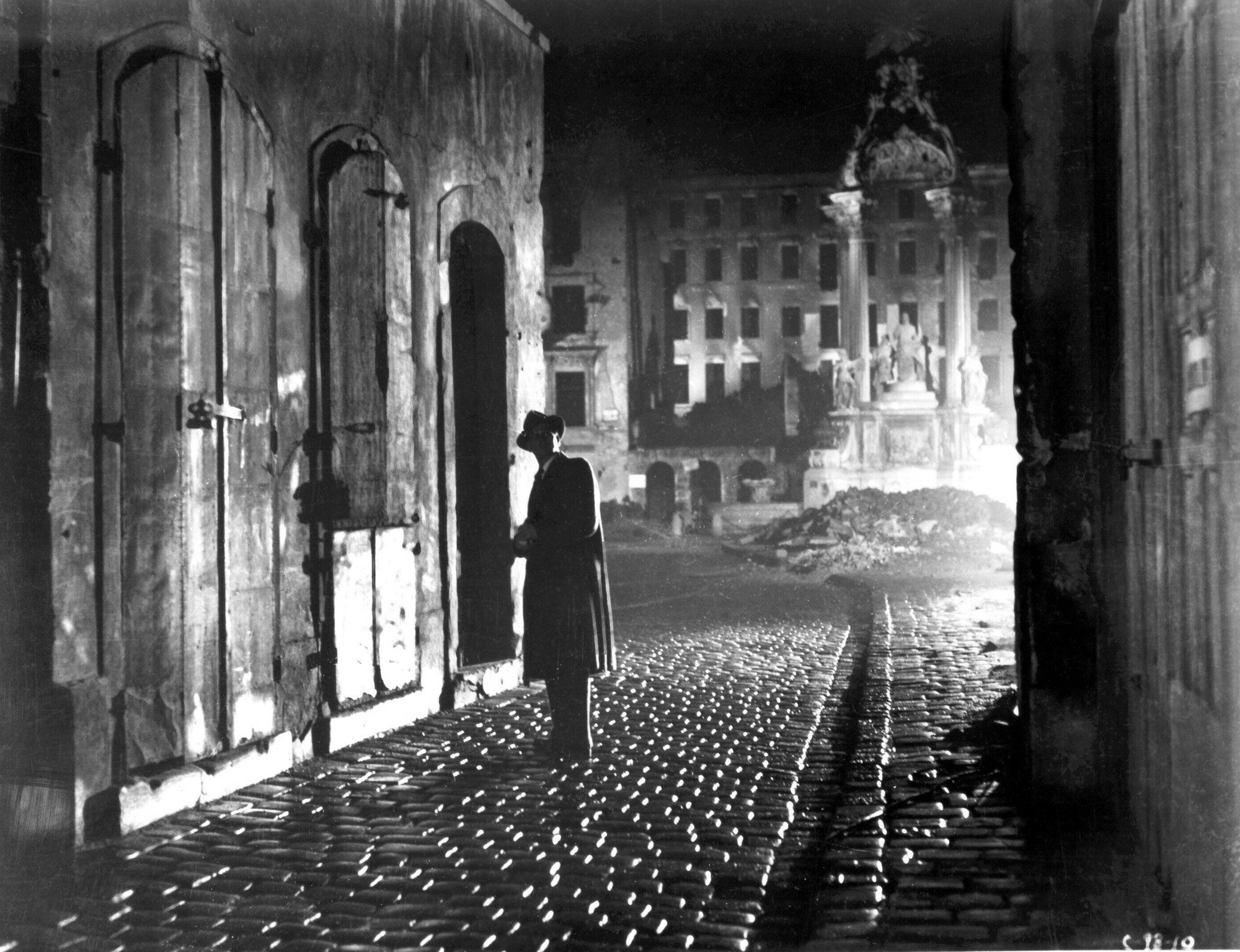
Vienna felt exhausted and damaged by war. That atmosphere stood out even before I understood how much the filmmakers were intentionally using the city itself.
The Human Question
What does this film reveal about human beings?
Not all people are good—even people we know, trust, or consider friends.
What does this film reveal about me?
I’m not completely sure. I found myself agreeing more with Holly than with Harry Lime or some of the others, and I could understand why Holly responded the way he did.
What are people searching for here?
Holly seems to be searching for justice.
Anna is also searching for justice, but ultimately she is searching for Harry.
Harry seems to be searching for profit.
Preliminary Verdict
Is The Third Man worth the expedition?
Yes, with reservations.
Why?
Sure. Not necessary, but sure—it’s a good story to see once.
Who do I think would appreciate this film?
Someone who likes noir, suspense, mystery, or older films with a strong sense of atmosphere.
Would I watch it again?
Yes, especially now that I know there was more happening visually and thematically than I noticed the first time.
What did I want to understand better during research?
The cinematography, the setting of postwar Vienna, the unusual soundtrack, and whether some of the visual choices I barely noticed were actually more important than I realized.
After Research — What Changed?
What did research add to my understanding of the film?
A lot more than I expected.
I went into The Third Man thinking I had watched a decent suspense story. Research made me realize how much of the film’s effect came from things I had barely noticed consciously.
Postwar Vienna
The setting mattered more than I initially understood. The damaged streets, divided occupation, black market, and general exhaustion of the city are not just background. Vienna itself helps explain the moral world of the film.
The cinematography
On first viewing, I did not find the cinematography especially noticeable. Research made me more aware of the Dutch angles, severe shadows, reflective streets, ruined architecture, and the use of real Vienna locations.
I may not have consciously noticed the technique, but I probably felt its effects through the atmosphere.
The zither score
The soundtrack was one of the first things I noticed, and at times it distracted me. Research helped me understand that the contrast was intentional. The music gives Harry Lime charm and personality while sitting against a much darker story.
I understand the choice better now, even if there are still moments where the score pulls me out of the scene.
The Ferris wheel scene
This became much more important after research. Harry’s way of talking about the people below him as tiny dots reveals how detached he has become from the human consequences of what he does.
The ending
I originally saw the ending mostly as the conclusion to the story. Research changed that.
Anna walking past Holly matters because doing the right thing does not guarantee that people will understand you, forgive you, love you, or reward you.
That gave the ending much more weight for me.
What changed most in my own response?
I realized I watched The Third Man a little too green.
I could follow and enjoy the story, but I didn’t yet have the eyes to appreciate everything the filmmakers were doing. Research helped me see the movie differently.
Final Verdict
Is The Third Man worth the expedition?
Yes.
It’s worth watching, but I think it rewards a viewer who has developed some ability to analyze and appreciate filmmaking as art.
On my first watch, I mostly experienced it as a suspense story. After research, I understood more of what the cinematography, postwar setting, score, Harry Lime, and ending were doing.
I think it’s a film people should see at least once—but I also think I watched it a little too green.
Leave a Map for Those Who Come After You
Don’t expect an epic. Just sit back and enjoy it for what it is: a decent story.
Then underneath that, add a small closing line:
Explore. Experience. Live.