What's Going On
by Marvin Gaye
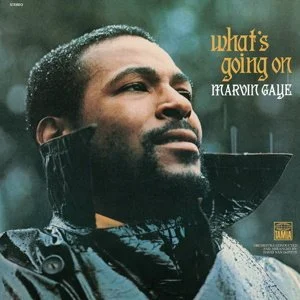
ALBUM EXPEDITION 001
What’s Going On
Marvin Gaye · 1971 · Album
Before the Expedition
What did I already know about this album or artist?
It’s a very popular album, but I had never taken the time to listen to the whole thing. I had only heard some of the singles, and I knew they were pretty groovy.
What were my expectations?
I thought it was going to live up to the hype. I expected it to be funky and romantic.
What was I hoping to discover?
A good album worth listening to.
First Listen
What was my overall reaction?
I liked it. I could immediately understand why the album had the reputation it did.
What grabbed my attention first?
The title track.
The drums, bass, and percussion carried this incredible groove. The softer guitar, vocals, strings, and vibraphone all sat around it without getting in the way. The whole mix established the atmosphere of the album almost immediately.
What surprised me?
I expected something much more straightforwardly funky.
Instead, the songs flowed into one another and the album felt like one continuous experience rather than a collection of separate tracks. There were recurring musical ideas and a sense that Marvin Gaye was working through one larger concept.
What didn’t connect with me?
“Flyin’ High (In the Friendly Sky).”
At first, I found its psychedelic, free-flowing feeling annoying and unresolved. It felt random to me and never gave me the musical release I wanted.
What musical elements stood out?
The groove more than anything.
The rhythm section constantly felt locked in. I also noticed the layered vocals, the arrangements, the percussion, the strings, the transitions between songs, and how much was happening in the mix without it becoming a mess.
What did I understand about the album lyrically?
Not enough yet.
I was paying much more attention to the instrumentation than the words, but I could already hear themes involving war, love, God, and people trying to understand what was happening around them.
Second Listen — What Changed?
What did I notice this time that I missed before?
The album’s continuity became much clearer. I could hear how intentionally the songs were connected, both musically and thematically.
Did any songs affect me differently?
Overall, I liked the album more the second time.
Did anything I initially disliked make more sense?
Not yet. “Flyin’ High (In the Friendly Sky)” still bothered me. I still found the unresolved psychedelic feeling unpleasant.
What recurring musical ideas became clearer?
The production, chord choices, instrumentation, vocal layering, and atmosphere started reminding me even more of artists like Tyler, the Creator.
I especially noticed the way spoken and sung vocals could overlap, like on “Save the Children,” and how the whole record felt carefully arranged rather than simply recorded song by song.
How does the album work as a complete experience?
Much better than I understood on the first listen.
The transitions, recurring textures, grooves, and lyrical themes make the album feel like one continuous statement rather than nine separate tracks.
What changed between my first and second listen?
I appreciated it more.
The first listen told me, “This is really good.”
The second listen started telling me, “There’s a lot more going on here than I caught the first time.”
Reflection
What do I think Marvin Gaye was trying to accomplish?
To respond to a broken world with a message centered on love, peace, God, and human responsibility.
What themes appeared throughout the album?
War. Suffering. Addiction. Social unrest. Faith. Love. Peace. The need for people to care about one another.
What did the music communicate that the lyrics alone could not?
A strange tension between beauty and pain.
The music is often warm, smooth, spiritual, and deeply groovy even when the subject matter is heavy. That contrast made the message hit differently than it would have if the music had simply sounded as dark as the lyrics.
How did the album make me feel?
Mostly good. I love groove, and there is so much groove on this album.
But it also made me think about how easily people can become overwhelmed by everything wrong around them—and how important it is to keep choosing love anyway.
The Human Question
What does this album reveal about human beings?
Things can suck, and there will still be people capable of spreading a message of love to those who need it.
Some people can become so consumed by everything bad that they lose sight of anything else.
We all need reminders to try to love each other, because everybody has something going on.
What does this album reveal about me?
I LOVE groove.
And I’m drawn to music that can carry something serious without losing beauty, movement, or warmth.
What are people searching for here?
Marvin Gaye seems to be searching for people to know God, love each other, and somehow turn that love into peace.
Preliminary Verdict
Is What’s Going On worth the expedition?
Yes.
Why?
It already felt important before I fully understood why.
The grooves are excellent. The musicianship is strong. The production is interesting. The lyrics clearly matter. Even before research, it felt like an album that had helped shape the music that came after it.
Who do I think would appreciate this album?
Anyone who likes soul, funk, groove-heavy music, concept albums, or music that deals with serious subjects without becoming musically bleak.
Would I listen again?
Absolutely.
What did I want to understand better during research?
Why the album was considered so important, who was playing on it, how the groove and production were built, what Marvin Gaye was responding to personally and historically, and what exactly “Flyin’ High (In the Friendly Sky)” was doing.
After Research — What Changed?
What did research confirm?
The album really is as important as it felt.
It helped expand what a major Black popular-music album could be: not just a collection of songs, but a unified artistic statement shaped by one artist’s social concerns, spirituality, production choices, and point of view.
What did I learn about the groove?
The groove wasn’t coming from one superstar musician doing everything.
It was an ecosystem.
James Jamerson’s bass, Chet Forest’s drums, Eddie “Bongo” Brown’s congas and bongos, Jack Ashford’s percussion, and the rest of the Funk Brothers created that pocket together.
That helped explain why the rhythm felt so alive to me from the beginning.
What did research add to my understanding of the production?
A lot.
The layered vocals, percussion, orchestration, direct-recorded rhythm instruments, Motown echo chambers, and continuous transitions were all part of why the album felt so dense without feeling cluttered.
The mix itself became one of the things I appreciated most.
What did I learn about Marvin Gaye’s context?
The album came out of a much more personal and historical place than I initially understood.
Marvin was dealing with grief, a troubled marriage, the Vietnam era, his brother Frankie’s experience in the war, and the larger violence and unrest happening in America.
The title song also grew partly out of Obie Benson witnessing police violence during the People’s Park conflict in Berkeley.
That made the album feel less like a vague “peace and love” record and more like someone seriously asking:
What has happened to us—and how do we love our way out of it?
What changed about “Flyin’ High (In the Friendly Sky)” for me?
This was probably the biggest correction.
I originally disliked the song because of its unresolved, drifting, psychedelic feeling.
Then I learned it was about addiction.
That changed the whole thing.
The discomfort started making sense. The song feels narcotized because that feeling is part of the subject.
I still don’t particularly enjoy the song—but I no longer think it should be removed.
At first my reaction was:
“I don’t like this feeling. Cut the song.”
After research:
“I still don’t like this feeling—but perhaps I’m not supposed to.”
What changed most in my overall understanding?
I went from thinking:
“This is really good and clearly important.”
to understanding much more clearly why it is important.
Final Verdict
Is What’s Going On worth the expedition?
Absolutely. It’s a must.
The album works musically, historically, spiritually, and emotionally.
The grooves are incredible. The production is rich without becoming muddy. The record carries serious social and spiritual questions without losing warmth or beauty.
Research didn’t make me like the album less. It gave me more reasons to appreciate what I had already felt on the first two listens.
Even the one song I initially wanted to cut made more sense once I understood what it was doing.
I think it’s an album people should experience.
Leave a Map for Those Who Come After You
Nothing. Just listen to it.
Then close with:
Explore. Experience. Live.